


2026-03-04 15:28:14
A residential service in Langford is celebrating after being rated Outstanding by the Care Quality Commission (CQC) — the highest rating possible — in what inspectors described as an “exceptional” transformation.
Hft’s Hollycroft residential service, which supports learning disabled adults and autistic people, has moved from Requires Improvement in 2019 to Outstanding following an inspection in January.
The leap is rare.
Sector analysis suggests fewer than 2% of adult social care services are rated Outstanding, much fewer still make such an improvement from Requires Improvement to Outstanding . The shift is so remarkable that CQC does not routinely publish national data tracking how often it happens.
For Hft, that rarity is a point of pride because it means that the people we support are being empowered to live brilliant, independent lives. The result and evidence that the CQC found is that learning disabled adults were making decisions about what they want to do, where they want to go, and how to enjoy life with autonomy and dignity.
Inspectors described the care as “exemplary” and praised the “compassionate” staff who “fully understood and celebrated people as individuals.” They reported that people were happy, relaxed and confident — building independence, travelling independently, cooking for themselves, volunteering locally and playing an active role in their community.
Families spoke movingly about the difference the service makes. One relative told inspectors:
“They are so incredibly happy. I thought they were doing well before but have really had my eyes opened as to how much they could achieve and how fulfilling their lives could be.”
Hazel Roberts, CQC Deputy Director of Adult Social Care in the East of England, described the improvement as “exceptional” and said the service had undergone a “truly remarkable transformation.”
She added:
“This improvement from Requires Improvement to Outstanding is exceptional and reflects the dedication and hard work of the registered manager and the entire staff team.
All of the staff at Hft Hollycroft should be really proud of the exceptional care they delivered. Other services should look at this report as an example of outstanding practice.”
But the story extends beyond one service.
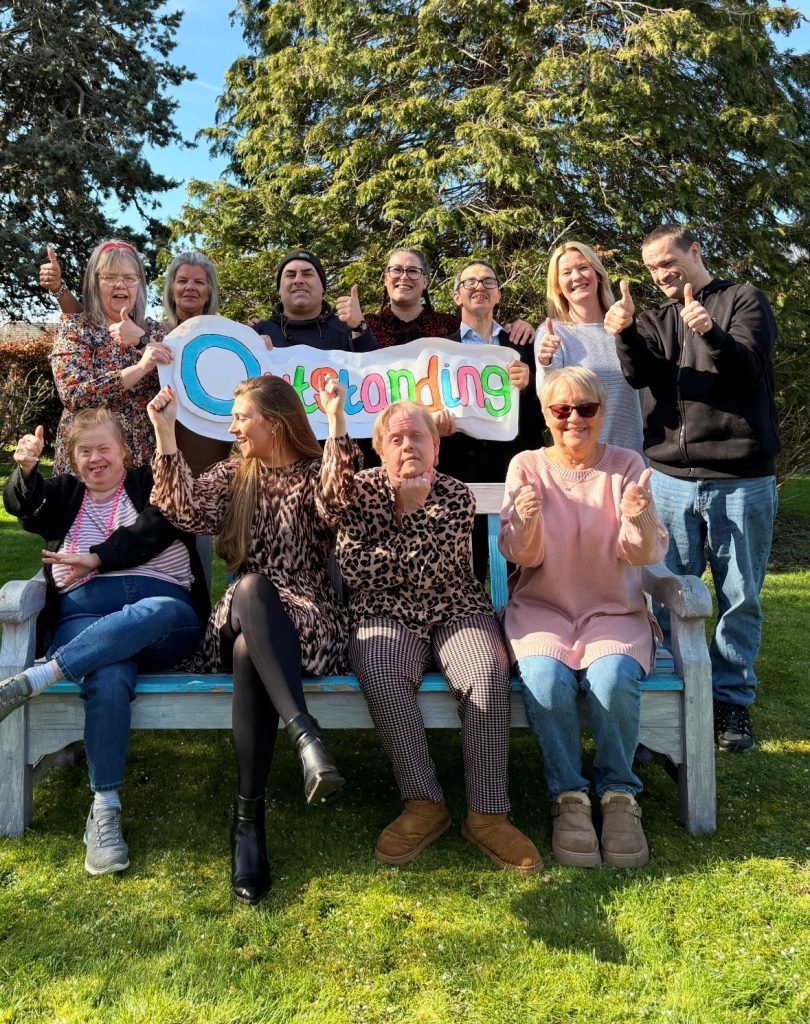
The rating marks a major milestone in Hft’s wider three-year turnaround. Since 2022, the charity has eliminated 85% of a £17 million annual deficit, while strengthening governance, leadership and frontline service quality.
Hft CEO Steve Veevers said:
“Outstanding is the highest recognition a service can receive — and to move from Requires Improvement straight to Outstanding is something very few organisations achieve.
“Hollycroft shows what that looks like in practice — people living ambitious, independent and fulfilling lives, supported by colleagues who genuinely understand, support and champion them.
“Three years ago, we were facing a £17 million annual deficit and resultant dip in the quality of the support we provide. We took decisive action to restore financial stability, strengthen leadership, reset our culture and most importantly, put the people we support at the centre of everything we do.
“We are immensely proud of the achievement of our registered manager; Sian and her team at Hollycroft— but we are not complacent. There is more work to do. Our ambition is clear: every Hft service must offer an incredible experience to every person we support.
“We will not rest until outstanding practice is the norm across our organisation — because learning disabled people deserve nothing less.”
Hollycroft’s Outstanding rating is both a celebration and a statement of intent.
Notes to editors
For further information please email media.enquiries@hft.org.uk
About Hft
Proudly established in 1962 by a group of visionary parents, Hft is a charity supporting more than 2,500 learning disabled adults in England and Wales. Together, we are creating a future where learning disabled people and their families can live the best life possible.
Providing personalised support. Creating solutions for living independently. Coming together to campaign for positive change. Fundraising for new opportunities and a bigger impact.
In 2033, we’ll live in a world where learning disabled people have greater choice. About where they live. The support they need and want. And how to spend their time and money.
Learning disability versus difficulty
A learning disability is different from a learning difficulty but the terms are often confused and used inter-changeably. A learning difficulty does not affect general intellect, whereas a learning disability is a life-long condition characterised by a reduced intellectual ability and struggle with everyday activities.
–
For more information about Hft please visit www.hft.org.uk


